
What is Muscle Activation Assessment?
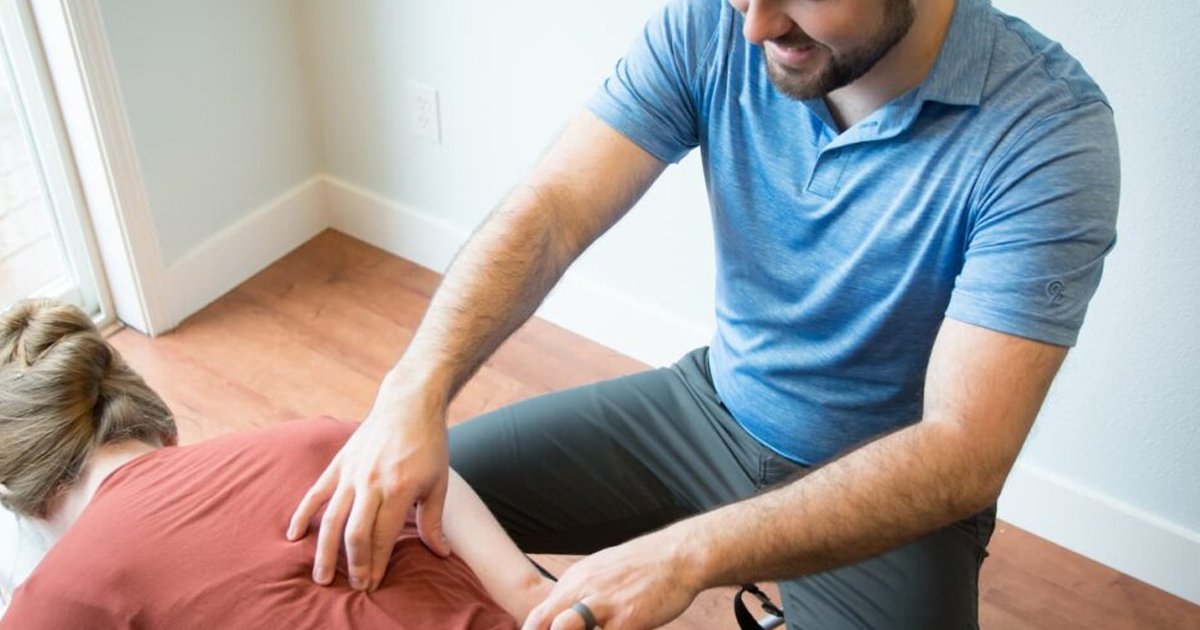
Muscle Activation Assessment is a scientific and technology-driven evaluation method used to analyze how muscles function during movement and daily activities. It helps identify muscle imbalances, poor activation patterns, and neuromuscular inefficiencies that affect posture, performance, and overall physical health.

Why is Muscle Activation Assessment Recommended?
This assessment is recommended for individuals experiencing pain, poor posture, movement limitations, or reduced athletic performance. It enables professionals to detect muscle hyperactivity, inactivity, and coordination issues, ensuring targeted rehabilitation and performance enhancement.

How to Prepare for Muscle Activation Assessment
Preparation is simple and requires wearing comfortable sports clothing that allows free movement. Clients should avoid intense workouts before the session and inform specialists about injuries, medical history, or ongoing treatments for accurate analysis.

Risks and Complications
Muscle Activation Assessment is a safe and non-invasive procedure conducted under professional supervision. It involves surface sensors and movement analysis with minimal discomfort. No major risks are involved, and temporary muscle fatigue may occur in rare cases.

Recovery After Muscle Activation Assessment
Recovery is immediate, and clients can return to regular activities right after the session. Based on the assessment results, customized exercise programs are provided to improve muscle coordination, strength, and long-term functional performance.
Benefits of Muscle Activation Assessment
- Identifies muscle activation during learning and movement patterns
- Measures muscle hyperactivity and inactivity levels
- Analyzes walking gait and core muscle engagement
- Assesses gluteal activation and muscular awareness
- Detects upper cross and lower cross syndromes
- Prescribes personalized corrective exercise programs
- Amplifies weak muscle activity for better performance
- Supports ergonomic and workplace posture assessments